
Trauma & Stress
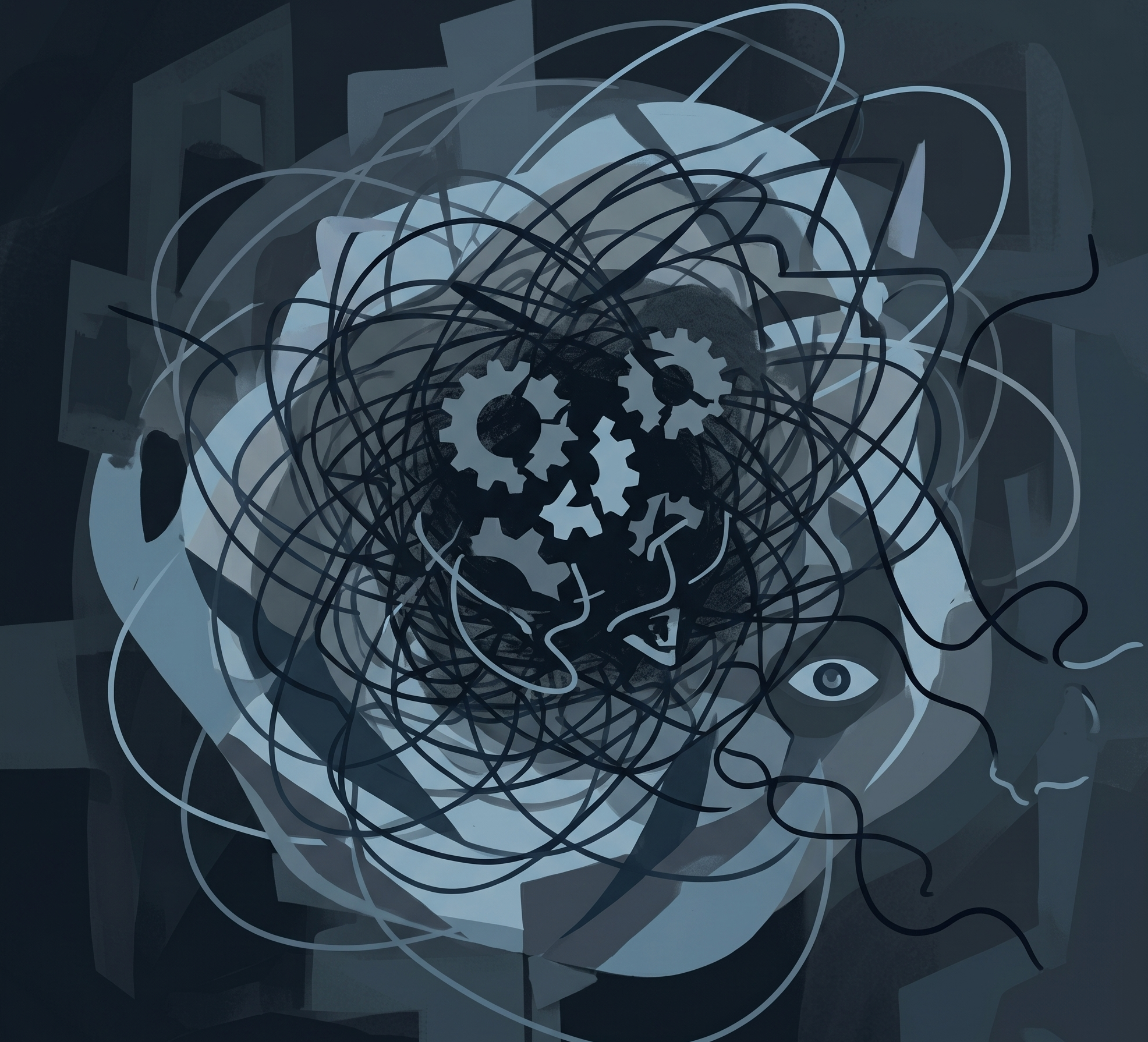
Difficult, challenging or frightening experiences can have a lasting effect on how we feel, think and move through the world. Not everyone who goes through something hard develops a lasting stress disorder - but for many people, the effects go on much longer than they expected.
That might mean reliving the event, feeling constantly on edge, going emotionally numb, withdrawing from people, or struggling to understand why things feel so different now. These are not signs of weakness - they are common responses to overwhelming experience.
Trauma takes many forms
Trauma isn't only combat or catastrophe. It can include:
Childhood abuse, neglect or exposure to domestic violence
Sexual assault or other interpersonal violence
Accidents, medical emergencies or sudden loss
Exposure to traumatic events through work - common in emergency services, the military and healthcare
Natural disasters
The gradual accumulation of stressful or frightening experiences over time
What it can look like
Intrusive memories, flashbacks or distressing dreams
Emotional numbness or feeling cut off from others
Being constantly on alert - jumpy, tense, unable to relax
Avoiding anything that serves as a reminder of what happened
Negative beliefs about yourself, other people, or the world
Inability to trust and relational difficulties
Persistent guilt, shame or anger
Sleep difficulties, poor concentration, irritability
Conditions we work with
Post-Traumatic Stress Disorder (PTSD)
Complex PTSD (resulting from prolonged or repeated exposure)
Acute Stress Disorder
Adjustment Disorder
Trauma related to accidents, medical events or work exposure
Moral Injury
Funding options
Medicare (Mental Health Care Plan from your GP)
Department of Veterans' Affairs (DVA)
WorkCover / Motor Accident Scheme / SIRA
Private health insurance
Private (self-funded)
Sessions are available in person at Meadows Medical Centre, Mullumbimby, or via Telehealth.